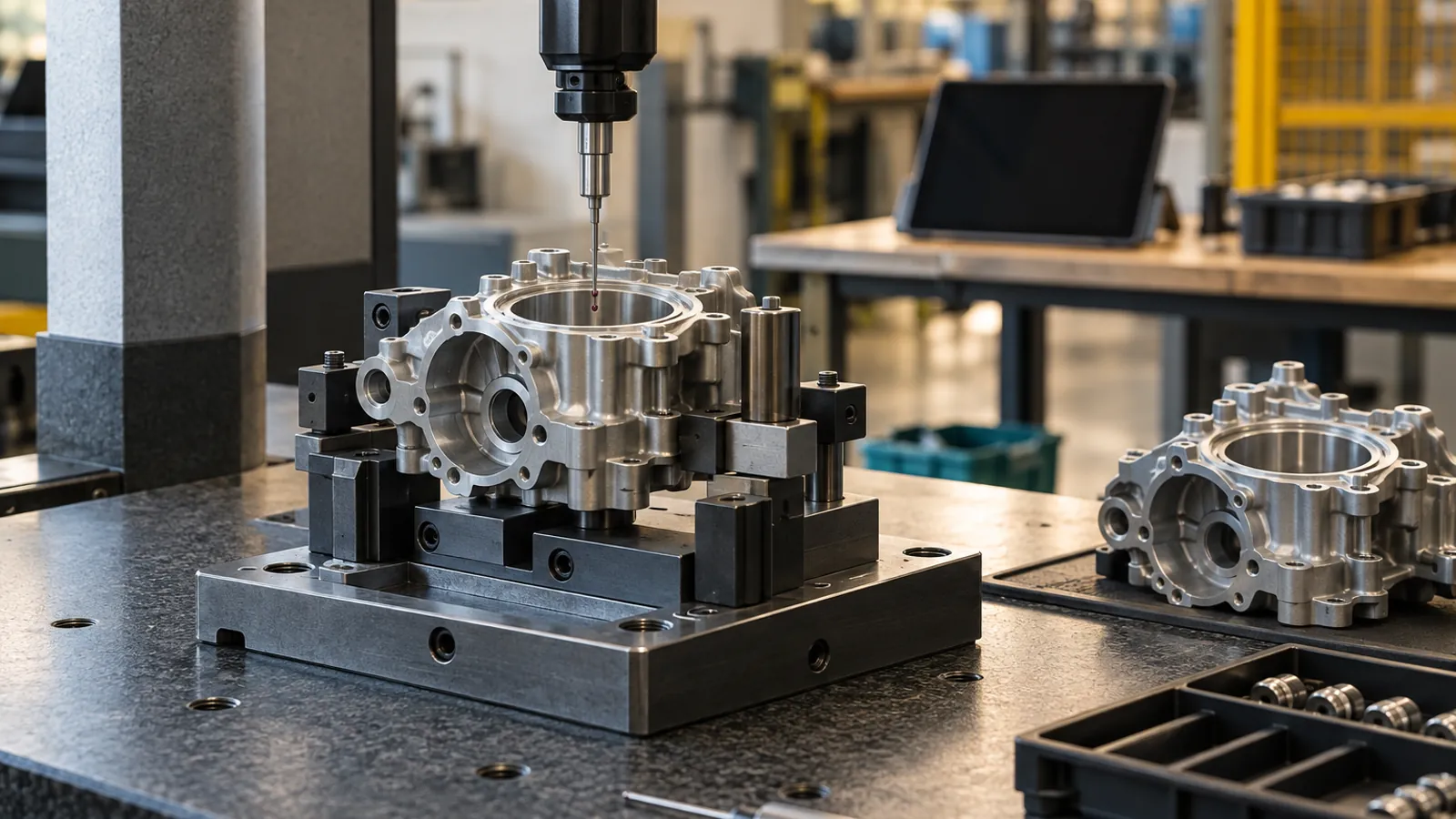
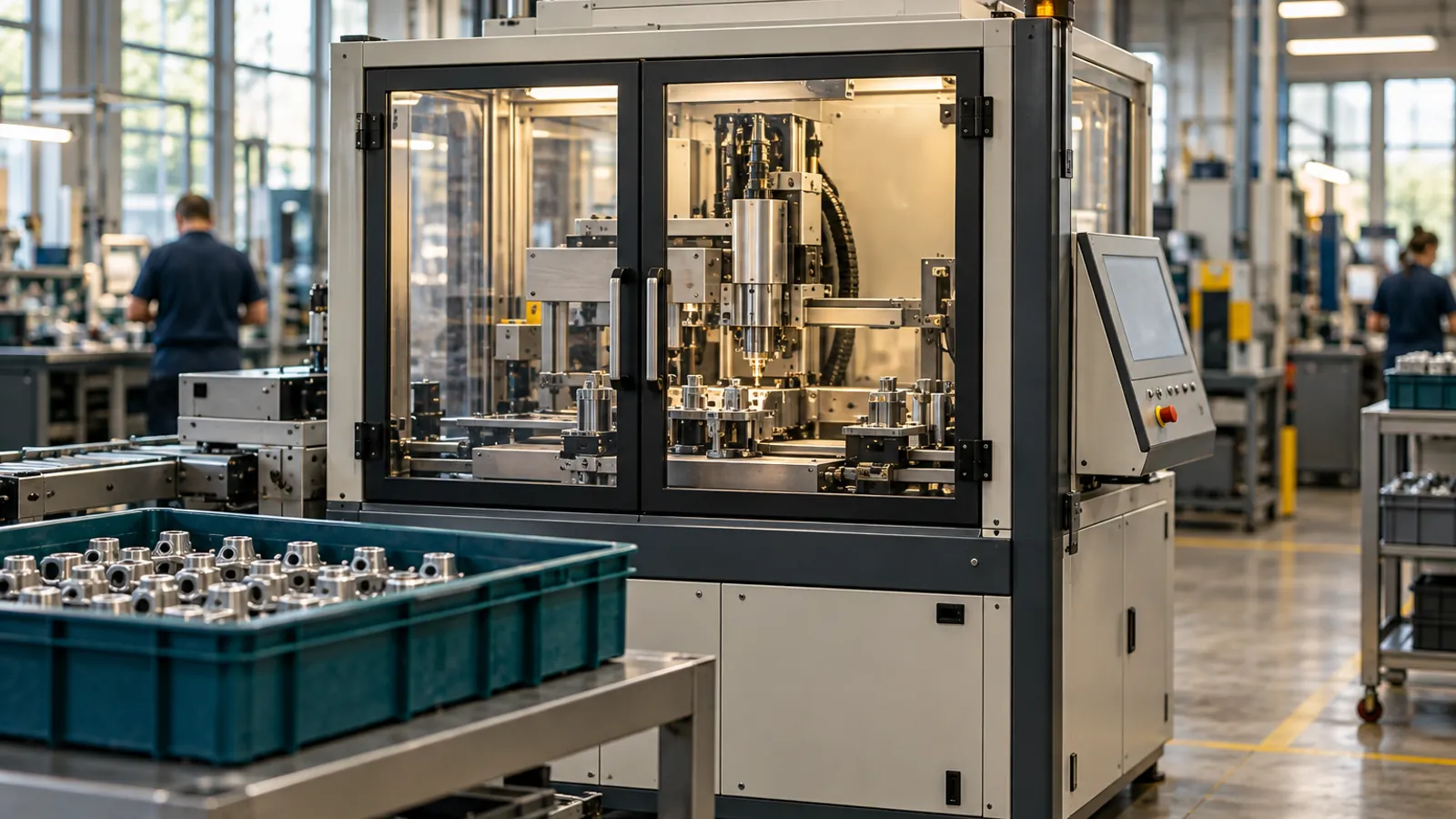
Lot genealogy: prove the trace in both directions
Test MES genealogy backward and forward with splits, merges, substitutions and corrections. Reconcile meaningful relationships and capture limits.
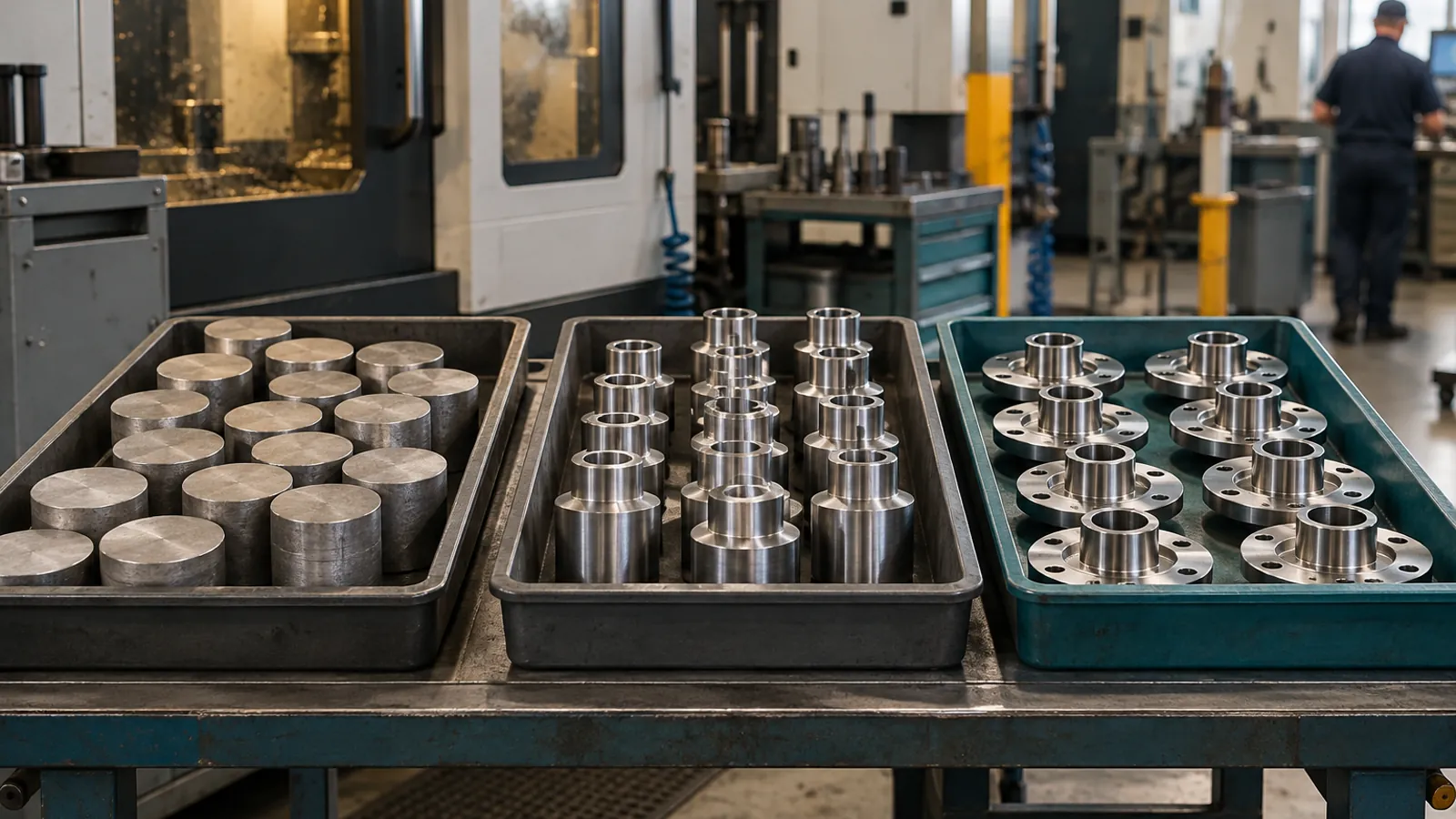
Prove lot genealogy by tracing both backward from finished output and forward from a suspect input, including splits, merges, substitutions and corrections relevant to the process. A searchable lot number alone does not establish that the relationships are complete.
Define the trace boundary
Specify which materials, operations, work in progress and outputs belong in the trace. Decide whether genealogy is recorded at lot, serial, container or another level and why that level is suitable. The correct boundary depends on product, process, customer and regulatory needs assessed by the responsible organization.
Identify where each relationship is created. A material scan, inventory issue and actual consumption event may not mean the same thing. Ask what evidence establishes that a specific input was used in a specific output. If the plant relies on allocation rules rather than direct capture, document those rules and their limitations. Do not present an inferred relationship as a measured one.
Build a deliberately difficult test batch
Use fictional identifiers and a known expected trace. Include a material lot divided between two orders, an order with more than one input lot and a rejected portion. Add rework or substitution if it occurs in the intended workflow. Keep the expected graph independently of the MES so the test can challenge the system’s result.
| Event | Trace question |
|---|---|
| Split | Are all child outputs linked to the correct source? |
| Merge | Are all contributing inputs retained? |
| Substitution | Is the approved replacement distinguishable? |
| Rework | Can the prior identity and new processing be followed? |
| Correction | Is the changed relationship explainable? |
| Scrap | Are rejected quantities excluded or represented correctly? |
Adapt the cases to the process instead of forcing irrelevant complexity into the pilot.
Trace in both directions
Start with one finished lot and retrieve its relevant input relationships, operations and dispositions. Then choose one input lot and identify the affected outputs. Compare both results with the expected trace. Check whether quantities and statuses reconcile under the plant’s defined accounting and process rules.
Look for false positives as well as missing links. An overly broad trace can make an investigation unnecessarily disruptive, while a missing branch can hide affected output. Record the logic and limitations of the query. A visual graph is useful only if its relationships have a defensible basis. Inspect the underlying records and include cases where data arrives late or is corrected after initial execution.
Test capture at the point of use
Observe how operators identify material, confirm quantities and handle an unavailable or incorrect lot. Evaluate duplicate scans, unreadable labels, container changes and partial usage. Determine what prevents an unapproved input from being accepted and what authorized path exists when a legitimate exception occurs.
Do not solve genealogy only in a report after the fact if the required relationships were never captured reliably. A report can organize available data but cannot reconstruct a missing physical event with certainty. Where manual entry or inference is used, make the limitation visible and have the responsible process and quality owners assess whether the control is suitable.
Preserve status and correction context
A trace should distinguish identity relationships from quality disposition. The existence of a link does not prove that the material or output was acceptable. Ask how holds, releases, rejects and later changes are represented across systems. Test whether a downstream user sees a meaningful pending state when an upstream update has not arrived.
Correct an erroneous consumption in the test environment using the approved workflow. Verify that the resulting trace is accurate and that the correction can be explained. Avoid direct database edits as an informal operating method. The organization should define who can change relationships, what approval is needed and what evidence remains after the change.
Time retrieval without inventing a standard
Have the responsible team retrieve and explain a representative trace under realistic access conditions. Set a target based on actual organizational and applicable requirements, not an invented universal recall deadline. Include a historical record with attachments or archived components where relevant.
Retain the test data, expected relationships, query results and unresolved limitations. Reuse the test after changes to interfaces, units, routing or capture methods. The test is evidence for the selected boundary, not a guarantee about every product or future configuration. Have quality and regulatory specialists assess the trace’s suitability for investigations, customer commitments and any regulated use.
Take this to the working meeting
Prepare a known trace with one input feeding two outputs and one output consuming a second input. Ask a reviewer to identify affected outputs from the first input, then reconstruct all inputs for the selected output. Include a corrected link. Compare the answers with the independent expected relationships and retain any unexplained difference. This creates a useful regression fixture for the next release.
FAQ
Is lot search the same as genealogy?
No. Genealogy needs meaningful relationships between inputs, processing and outputs, with an understood capture basis.
Must every unit be serialized?
Not necessarily. Determine the required trace level from the process and applicable obligations rather than adopting serialization by default.
Can a report repair missing trace events?
It can expose gaps and organize records. It cannot turn an undocumented physical event into certain evidence.
Continue your decision
- MES risk review: test the failures before launch
- MES and OT security: define the trust boundaries
- Electronic records: establish Part 11 applicability
- MES outage recovery: rehearse the return to service
Use the pilot readiness to document your own inputs. Compare operating models on the comparison page.
Sources and scope
- NIST Smart Manufacturing — Official research context for manufacturing systems. The decision worksheets in this guide are editorial recommendations, not NIST requirements.
Examples are hypothetical and are not measured customer results, supplier quotations, or evidence of professional review. Prepared on October 30, 2026; confirm current requirements with the relevant official body and your responsible specialists.